
At Habitat for Humanity, we are dedicated to sharing our volunteer experiences in ways that respect and uplift the communities we serve. Likewise, we are committed to preventing harm from the use of images, videos and stories that we gather during these experiences. Photos taken by volunteers during their Habitat experience should serve primarily to educate and inform family and friends on the global housing need and support Habitat for Humanity’s mission.
How we share our Habitat volunteer experiences can have far-reaching and unintended consequences. A single photo or post can affect Habitat for Humanity’s effectiveness and access to collaborating with communities around the world. It can also endanger community members, including adults and children, especially when personal, political or social complexities are involved.
As a Habitat volunteer, you can control how the story is told on social media and within your social circles. Together we can ensure that every portrayal reflects the positive impact of our work and the integrity of the communities we serve.
We prohibit taking photos of community members, children, vulnerable adults or families who partner with Habitat for Humanity. Posting any of these images publicly, such as on social media, is prohibited. Team leaders trained on Habitat’s photo guidelines will approve images for volunteers’ social media use.
Do take images of
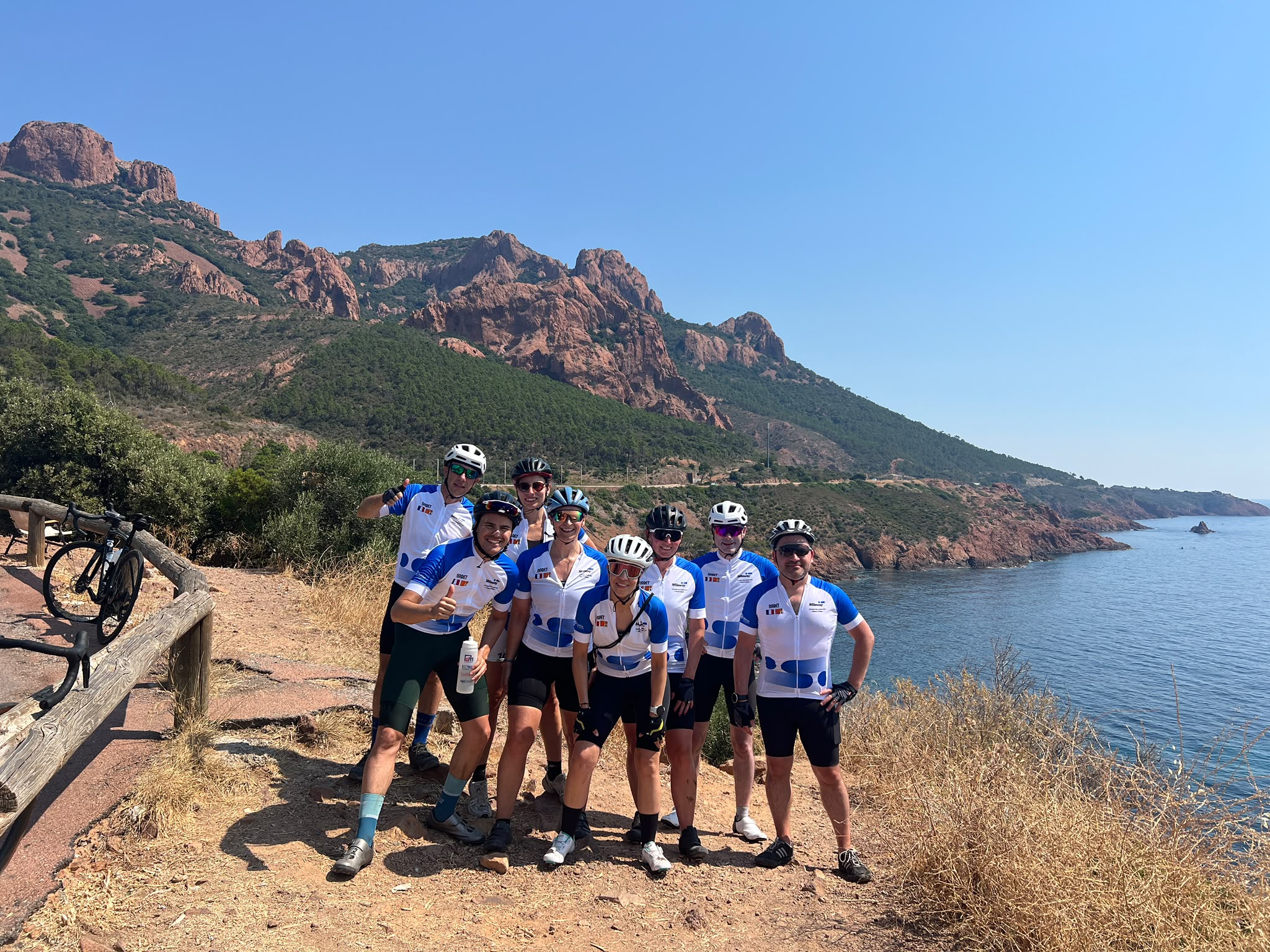
- Groups in public spaces, so long as no children, families, community members, vulnerable adults or Habitat partners are featured or easily identifiable.
- Creative ways people build or improve homes and how the community is involved.
- Neighbourhoods showing positive transformation through collaborative work.
- Volunteers and families who partner with Habitat for Humanity working together.
The Golden Rule: Ask yourself, ‘Would I be happy to see myself or members of my family depicted in this way? Is this the only story I can tell?’
Restrictions and requirements
Applicable to all volunteers, including adults and children.
- Permission – Always ask individuals for permission before taking a picture or video.
- Context – Photos shared publicly should show content relevant to Habitat’s work in housing, construction and related projects. We encourage volunteers to use their platform to educate people on the housing crisis.
- Clothing – People must be fully clothed in the images. No person can be in a state of undress or be in poses that may be sexually suggestive or provocative. This restriction also includes photo editing or using filters that may sexualise a person.
- Posing – Allow people to pose for a photo or engage in video in a way that is most organic for them. Please do not instruct a person to smile or perform in any way for photographic purposes (e.g., ask to hug, touch, put arms around another person, etc.).
- Health and safety – All photos must comply with Habitat’s health and safety requirements. For example, if the construction supervisor requires hard hats and gloves on the build site, please be sure volunteers and others are properly equipped for photos on the construction site.
- Bullying – Use of photos or videos to bully, harass, taunt, make fun of, or otherwise engage in mean-spirited banter with another person, including volunteers, community members and children, is prohibited.
- Social media sharing – Posting photos, videos or stories of children, families, vulnerable adults, community members or Habitat partners on anyone’s personal social media platforms (e.g., LinkedIn, Facebook, Instagram), blogs or vlogs is prohibited.*
- Contacting – Personally contacting, ‘friending’, direct messaging, or connecting with children, vulnerable adults, community members and families who partner with Habitat is prohibited. This includes communications on social media or messaging platforms (e.g., WhatsApp, Telegram, Signal, etc.).*
- Social media handles – Sharing or asking community members (e.g., children or adults), community volunteers or partners for their personal social media handles is prohibited.*
- Personally identifiable information – Publishing personally identifiable information of children, vulnerable adults, community members and families who partner with Habitat is prohibited on social media or any public platform. Personally identifiable information is information that directly or indirectly identifies an individual or their physical location, such as names, locations, age, gender, family composition, etc.*
*You can read more about the additional restrictions in the Volunteer Code of Conduct.
If you believe that any inappropriate or indecent content is connected to or implies a connection to Habitat for Humanity, please report the concern immediately to your Team Leader, Habitat’s Volunteer Coordinator and/or the Habitat Ethics & Accountability Line (HEAL).
Photos we encourage you to share
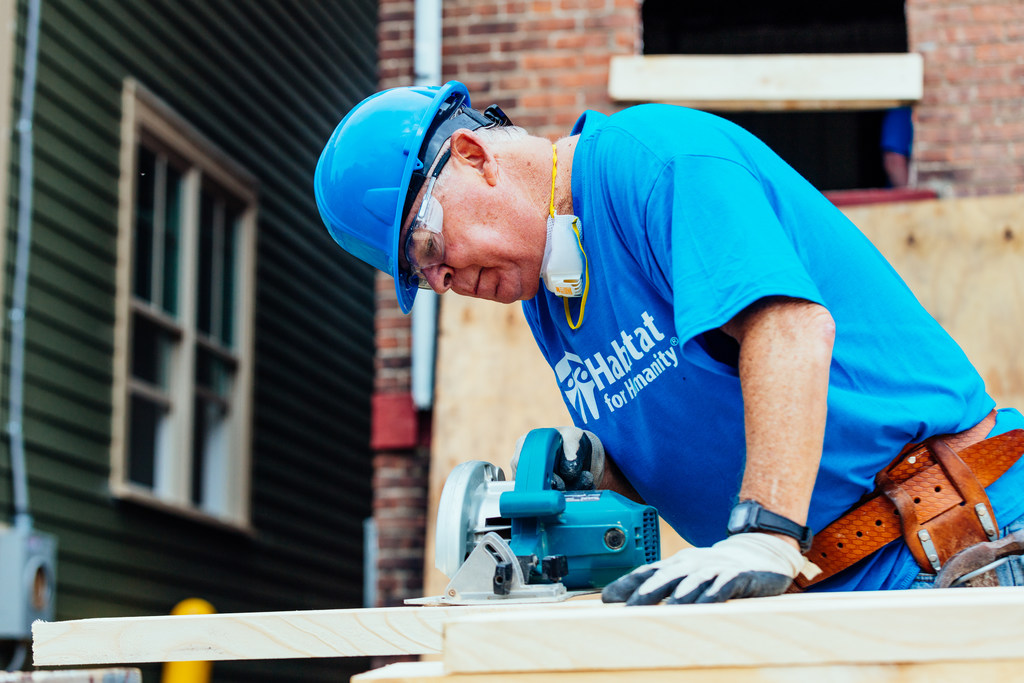
These photos feature volunteers prominently. Community members are present but their faces are not easily identifiable. The photos are taken within the context of housing and construction. The subjects abide by safeguarding and safety regulations with the proper use of hard hats and protective gear.
Photos that cannot be shared
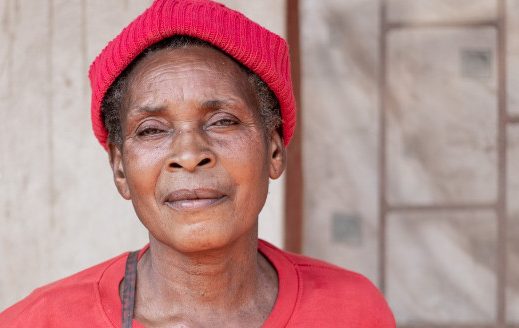
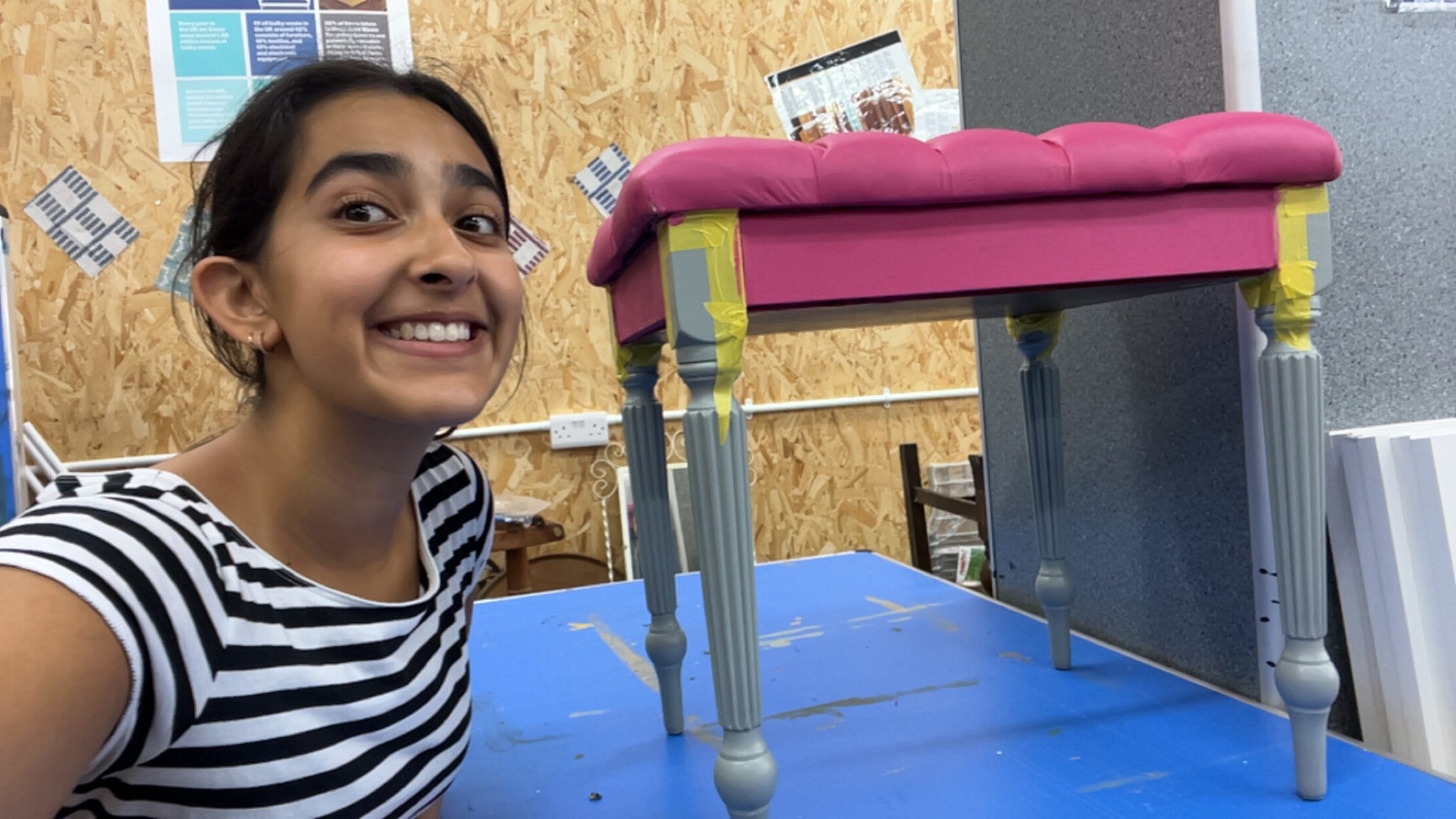
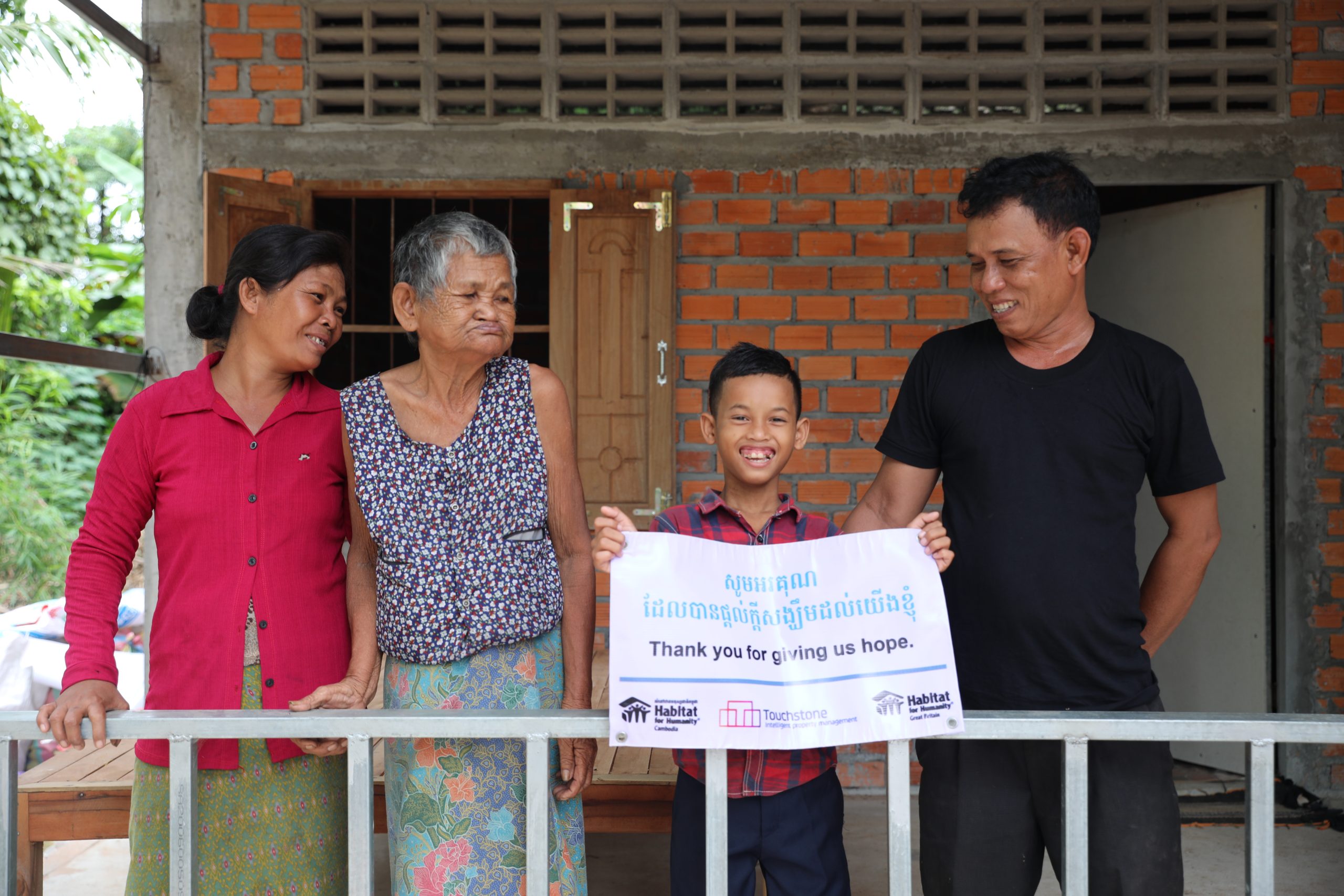
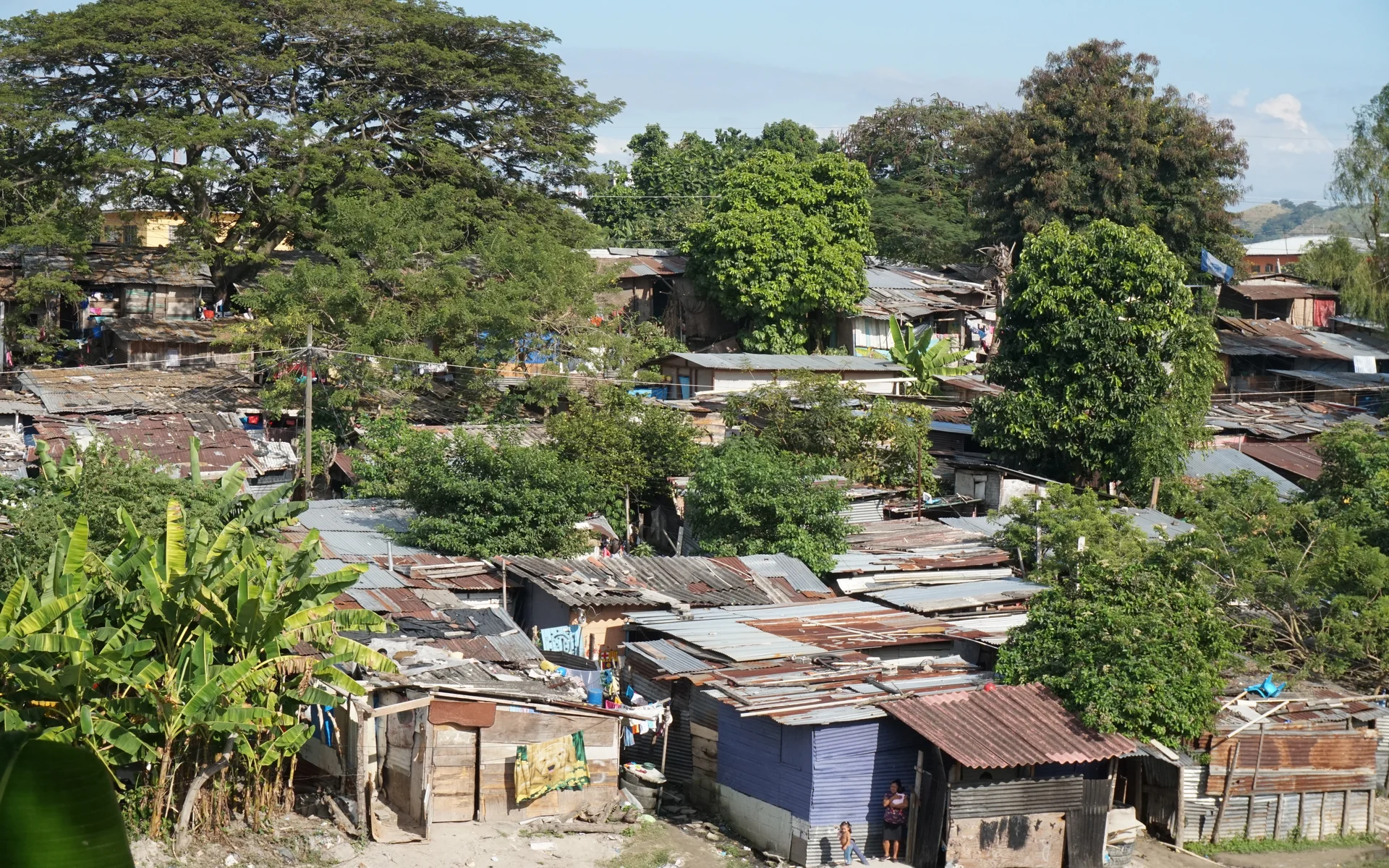
These photos feature community members, vulnerable people and children, which is strictly prohibited. Photos that are not about housing, or that lack dignity and respect for an individual’s privacy, must not be shared.