

Lorem ipsum dolor sit amet, consectetur adipisicing elit, sed do eiusmod tempor incididunt ut labore et dolore magna aliqua. Ut enim ad minim veniam, quis nostrud exercitation ullamco laboris nisi ut aliquip ex ea commodo consequat t ut labore.
Leading with purpose
Our board guides Habitat for Humanity UK towards a world where everyone has a decent place to live
Senior Leadership Team
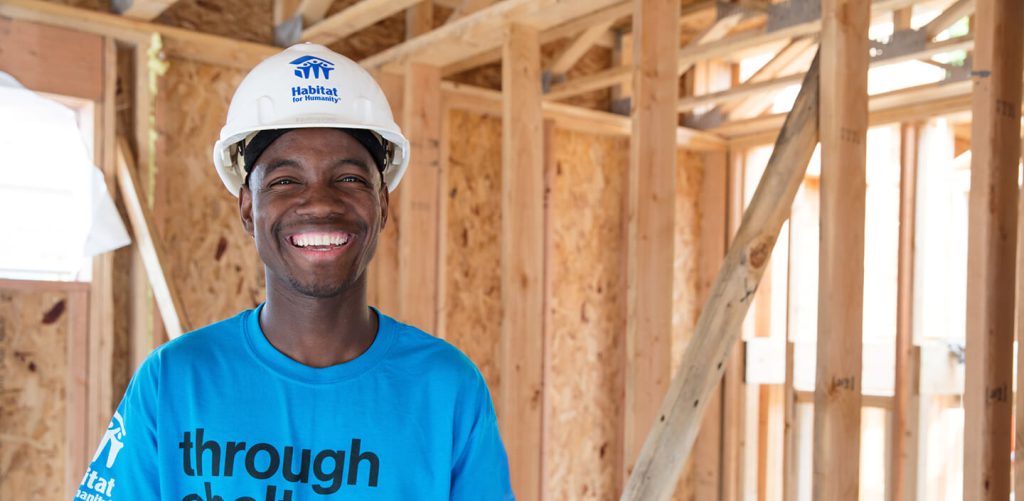
John Doe
Job title
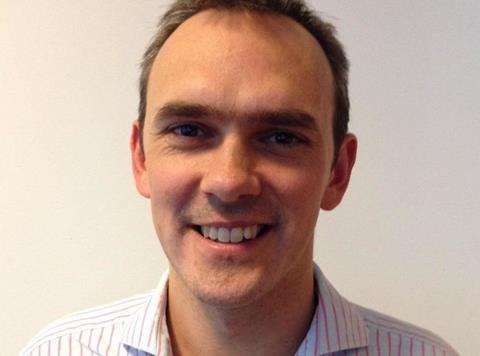
Ross Avery
Trustee
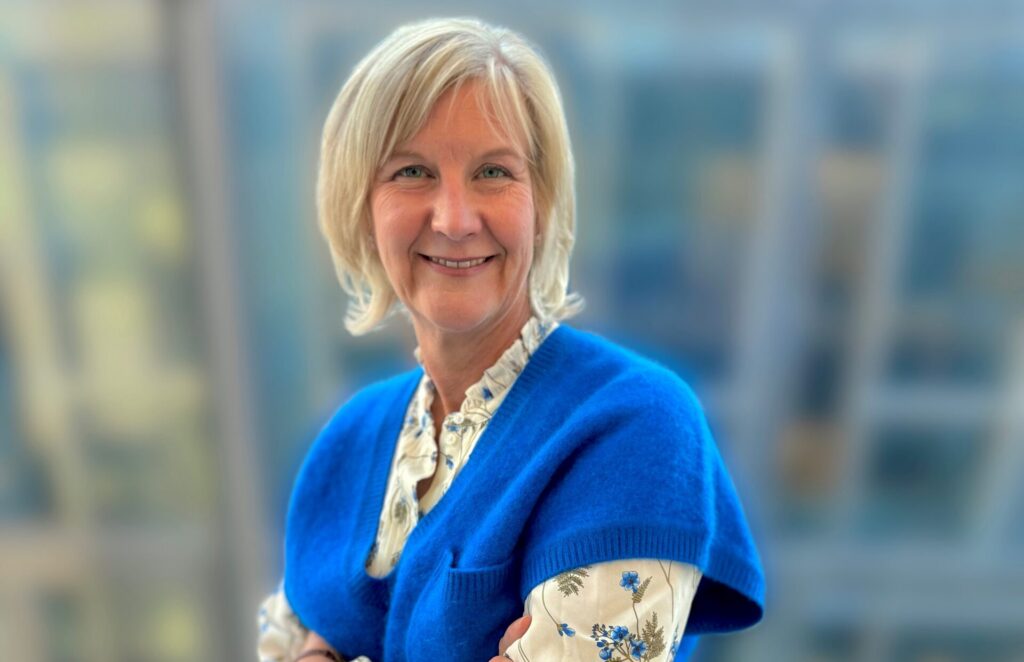
Susan Revell
Trustee
Board Members

Melissa Allen
Trustee

Suzanne Taunton
Director of Impact & Influence
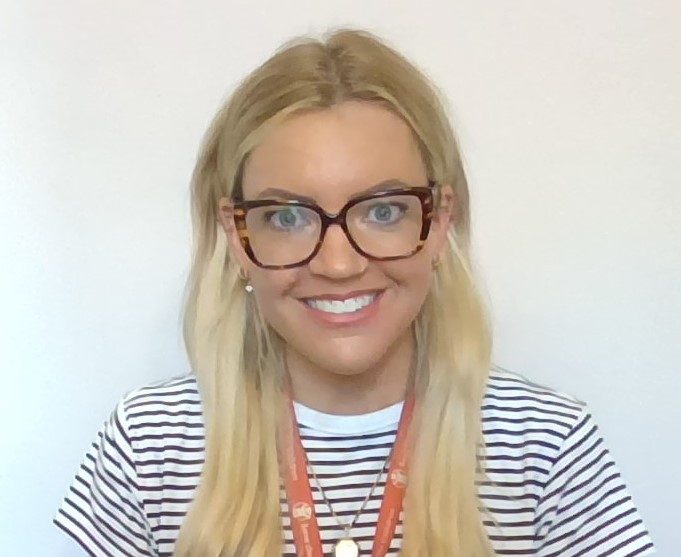
Sarah Atkin
Trustee
Committees
Committee name
Lorem ipsum dolor sit amet, consectetur adipisicing elit, sed do eiusmod tempor incididunt ut labore et dolore magna aliqua. Ut enim ad minim veniam.
Committee name
Lorem ipsum dolor sit amet, consectetur adipisicing elit, sed do eiusmod tempor incididunt ut.
Committee name
Lorem ipsum dolor sit amet, consectetur adipisicing elit, sed do eiusmod tempor incididunt ut labore et dolore magna aliqua. Ut enim ad minim veniam.
Committee name
Lorem ipsum dolor sit amet, consectetur adipisicing elit, sed do eiusmod tempor incididunt ut labore et dolore magna aliqua. Ut enim ad minim veniam.
Testimonials
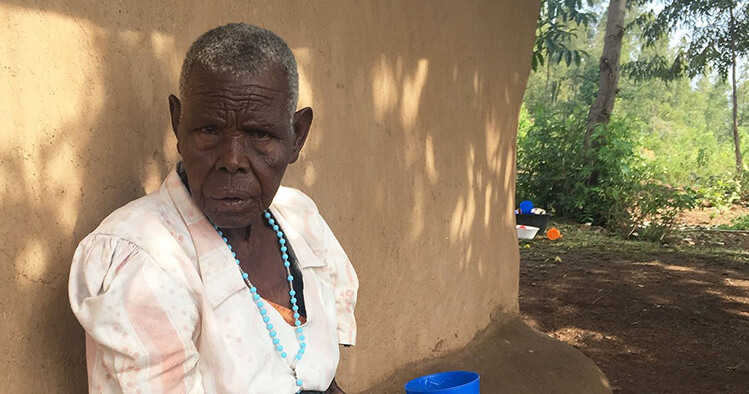
Lorem ipsum dolor sit amet, consectetur adipisicing elit, sed do eiusmod tempor incididunt ut labore et dolore magna aliqua. Ut enim ad minim veniam, quis nostrud exercitation ullamco laboris nisi ut aliquip ex ea commodo consequat t ut labore.
Lorem ipsum dolor sit amet, consectetur adipisicing elit, sed do eiusmod tempor incididunt ut labore et dolore magna aliqua. Ut enim ad minim veniam, quis nostrud exercitation ullamco laboris nisi ut aliquip ex ea commodo consequat t ut labore.
Amrita’s journey from a struggling homemaker to a respected Community Facilitator, has brought profound changes to her life. She is now a role model in her community, inspiring others with her story of resilience and empowerment. “I feel proud when somebody recognizes me as a Community Facilitator,” she shared, reflecting on her accomplishments.
Frequently Asked Questions
Aliquam dapibus ipsum non lacinia fringilla. Ut at hendrerit neque. Lorem ipsum dolor sit amet, consectetur adipiscing elit.
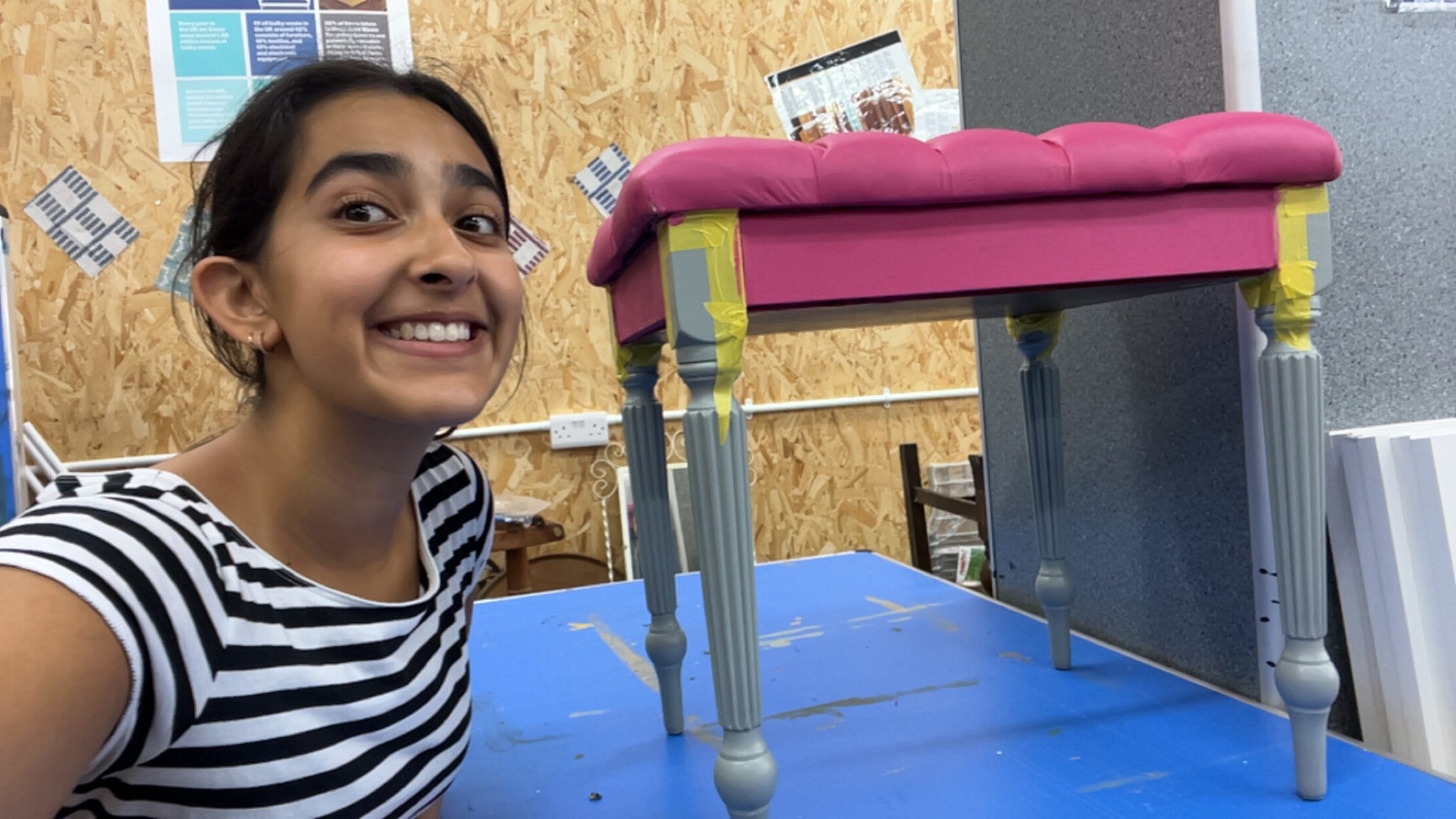
Yes – we welcome donations of wooden furniture such as wardrobes, bookcases, drawers or tables, which we then repair and upcycle.
Wherever possible, we place upcycled furniture directly into social housing for people who need it. Any remaining items are sold in our ReStore.
No experience is necessary. Sessions are tailored to your team’s skill level and include tasks like sanding, painting and varnishing furniture.
We can accommodate up to 10 volunteers per session, or up to 15 on a case-by-case basis.
Sessions usually run from 10am to 4pm, but we’re happy to adapt timings to suit your team – including half-day sessions of around 3 hours.
All our upcycling sessions take place at our workshop, located within our ReStore – Habitat’s DIY charity shop – in Romford (RM1 1HR). Alongside the workshop itself, volunteers get the chance to see previously upcycled items on the shop floor.
Upcycling Workshop volunteering is currently only open to corporate teams. If you’d like to get your company involved, please get in touch using the contact form on this page.
Half of the funds go to the country programme, where they are used to build more homes and strengthen Habitat’s in-country efforts. The other half goes toward enhancing the overall builds programme ’ additional training of leaders, improved customer service and better web tools and resources.
Transportation from your point of departure to your build country is not included in the published programme donation and is your responsibility to schedule and pay for. Funds raised that exceed the programme donation cannot be used to cover any part of a volunteer’s airfare.
Our fundraising platform lets you set up your own page with photos, videos, stories and a personal appeal letter that you can share with your email list and social networks. Many of our team leaders also have fundraising experience and are happy to support their teams ’ ask your team leader what additional support is available.
Programme donations include a donation to the national organisation, plus a donation to cover some of the costs of managing your participation in the build. The additional money raised expands the national organisation’s ability to build more homes, take on more community projects, engage more volunteers and improve our services.
No one is required to fundraise, but we appreciate your support in helping us do more to eradicate inadequate housing. For those uncomfortable asking for money, we recommend two strategies: use our online fundraising platform to write a simple appeal and share it with your network; or hold a benefit event, such as a yard sale, where proceeds go towards your fundraising goal.
The world is experiencing a global housing crisis. About 1.6 billion people live in substandard housing and 100 million people are homeless, according to the United Nations. As a worldwide leader in eradicating inadequate housing, Habitat responds to this need as a matter of conscience and action. Because of the growing need, we believe Habitat’s volunteer travel programmes can double their efforts and serve twice as many families and communities as in the past.
HFHGB understands that the unexpected may happen and you may have to cancel your Global Village Build. Please refer to our Payment and Cancellation Policy.
The Build trip cost is comprised of three components:
- The registration fee.
- Trip costs – all in-country expenses, including accommodation, transportation to and from the build site, and meals during the build week, as well as comprehensive medical and emergency evacuation insurance.
- Donation for Habitat for Humanity – split between the country programme where the GV build takes place and HFHGB.
The three components totalled together equal the Build trip cost.
Participants are expected to either fundraise or personally cover the full cost of their Build trip. However, please note that if your Build includes a registration fee, this portion must be paid directly and cannot be fundraised for. Fundraising may only be used to cover the remaining trip costs. Read our Fundraising Guide, which will give you some great ideas on how to get started with your fundraising.
Flights are not included in the advertised Build costs. Participants are responsible for arranging and covering the cost of their own travel to and from the programme country. However, Habitat for Humanity Great Britain, along with your Team Leader, will provide guidance on the most suitable arrival airport and recommended travel dates to support your planning.
All Habitat for Humanity entities that host international teams go through a rigorous vetting process every year to ensure that they are meeting all required health, safety, and security standards as set by Habitat for Humanity International (HFHI). This includes ensuring that the hotel is safe and secure, catering and restaurants meet hygiene standards, and that the situation on the ground is conducive to participants being able to perform their tasks in a safe environment.
Our Team Leaders are trained to constantly assess risks both on and off the build site. They are also fully trained in how to seek assistance if the situation on the ground changes over the course of the build. The risk assessment for Global Village destinations is performed by the HFHI Senior Specialist, Safety and Security on a yearly basis.
Medical and evacuation insurance is provided for team members in the case of injury, illness, or the need to leave the area or country due to factors out of Habitat for Humanity’s control.
We organise hotel rooms for team members for the duration of the build. You may share a room with another volunteer or opt for a single room based on your needs. All hotels have been vetted for health and safety by local Habitat for Humanity staff.
Our GV Builds typically last between 7 and 10 days. This will usually comprise 5 days on the build site and a day of social learning exchange activities with other local Habitat projects to help you understand the country and development context.
Depending on the phase of construction you will mix mortar, build walls, lay blocks, install doors and windows, put up roofs or move materials. Each site is assigned experienced, local artisans and builders who will supervise the process and ensure the quality of work. No previous building experience is necessary – all you need to do is arrive ready to learn, get dirty, and have a great time! Please read our Volunteer Orientation Manual for more information about what a Global Village Build entails.
All volunteers must be over the age of 18.
During the Build, participants should dress conservatively with their shoulders, knees, and chest covered.
Head coverage – We recommend that all team members bring a wide brim, or standard sports cap, along with suntan lotion to protect your head from the sun and prevent heatstroke or other heat-related illness.
Upper body – Building involves a lot of movement. Ensure that the tops you wear are comfortable and allow you to move freely. Tops should cover your shoulders and chest.
Lower body – Trousers or shorts should be worn during the Build. If wearing shorts, they should be no higher than the knee.
General clothing rules – Please do not bring any clothes that bear offensive slogans, have camouflage print, or show a political figure.
While we’re not medical professionals, we want to make sure you’re well prepared for your Build experience. We recommend that you speak with your GP, a local travel clinic, or another qualified healthcare provider to get the most up-to-date advice on any vaccinations or medications you may need for your trip.
The full Build trip costs must be paid in full no less than 45 days before the trip departs. Please refer to our Payment and Cancellation Policy.
When you register for a Build you will receive a confirmation email acknowledging that you have successfully registered. Within this email you will find instructions on how to begin setting up your fundraising page. Your Team Leader will be notified and will contact you to begin supporting you on your Build journey.
We ask that each team is made up of 15 or more participants who are already committed to meeting the fundraising target, which starts at £3,000 per person. This contribution covers all in-country expenses, including accommodation, meals, transport to and from the build site, and the cost of building materials. It also includes a donation to the Country Programme, directly supporting a local community project, as well as a donation to Habitat for Humanity Great Britain, which helps us continue our work both in the UK and around the world. At this time, we’re not able to accommodate individual participants or open teams.