Portraits of Hope: Bulgaria
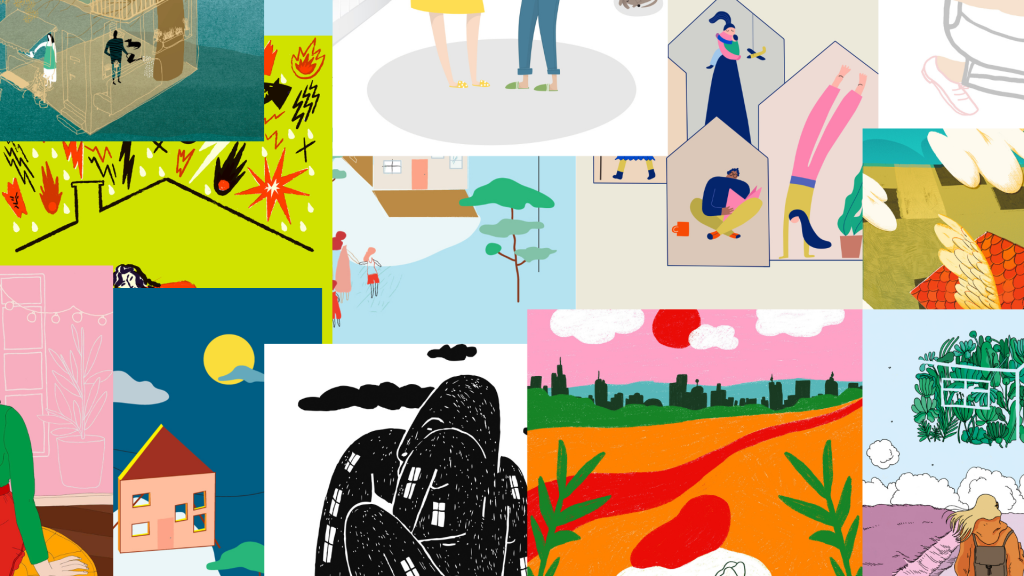
Virtual Gallery - Exhibition: "A decent home for everyone".
This exhibition of artworks were created by artists in Bulgaria as part of Habitat for Humanity Bulgaria's campaign for improving access to land and shelter.
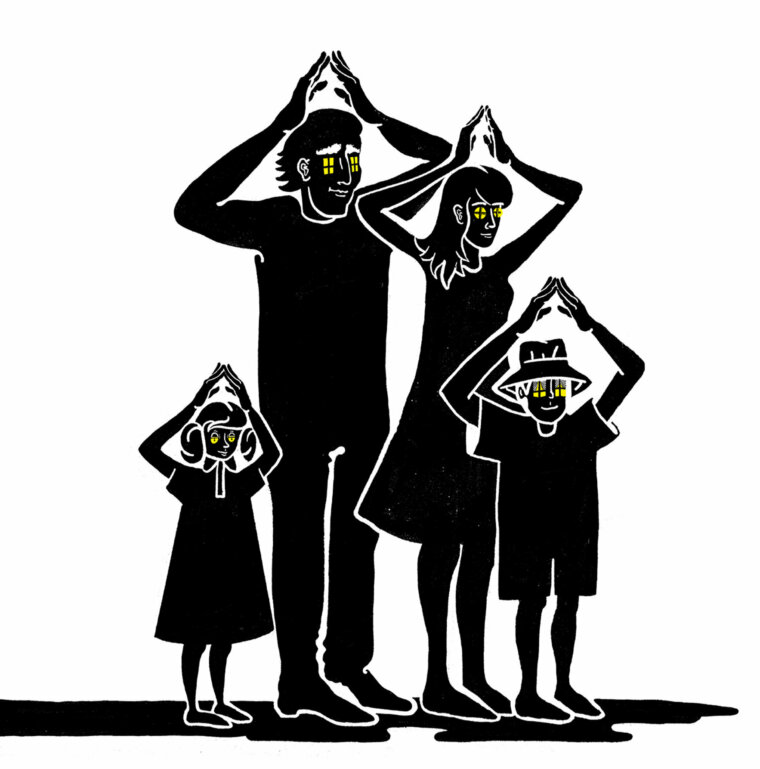 “Our perceptions for what a home is are different, so I wanted to illustrate the feeling that would make more people connect with the illustration. Certainly, the home is the place where you can connect with your inner child and nurture it to feel protected, happy and satisfied. We inevitably think of games, and more specifically of “tag”. In this game, there was one way in which we managed to pause and defend ourselves – we would create a “house” with both hands, imitating a roof. It is interesting how the idea of personal privacy has penetrated children’s play, reflecting the essential value of having a home. And it is a pity that there are so many people in the world for whom the home is a place of fear and insecurity. Because the feeling that we are safe and secure must be with us wherever we live.”
Аrtist: Ilian Iliev
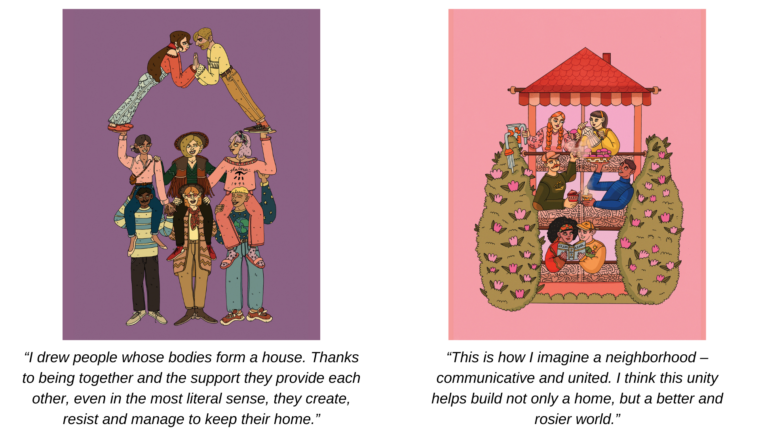
Artist Mihaela Karadzhova
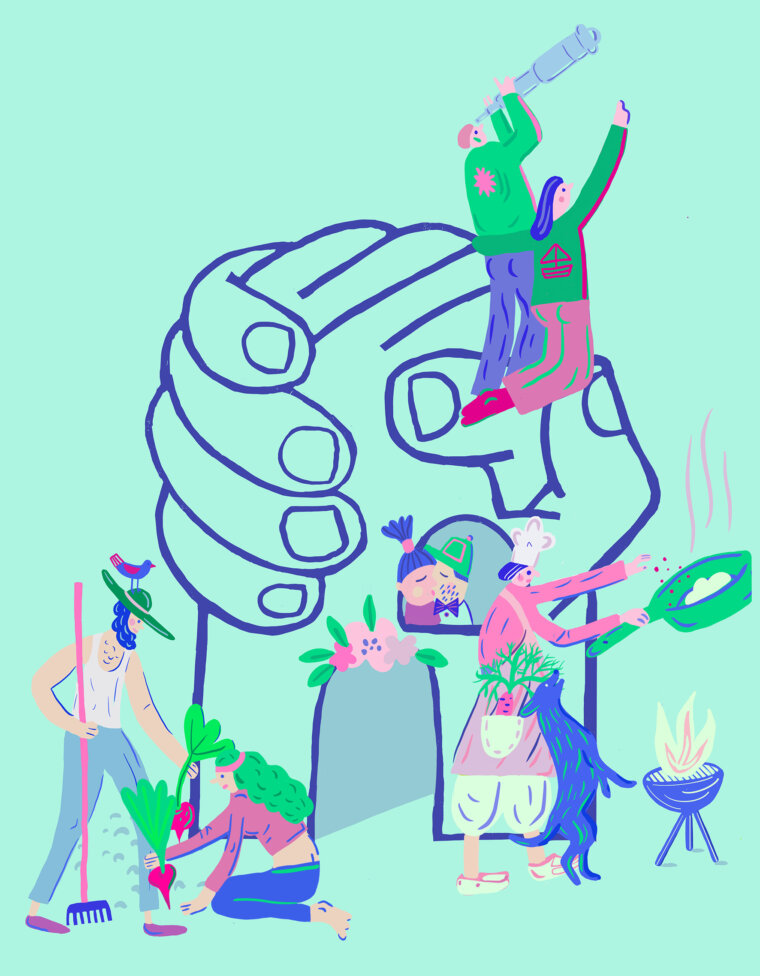
“This is the home from whose roof you explore the stars; the home in whose garden you disappear for hours; the home whose air you fill with the scent of your cooking; the home behind whose curtains you share kisses; the home you often can’t have without the strong hands of a caring community.”
Artist: Denitsa Boyadzhieva
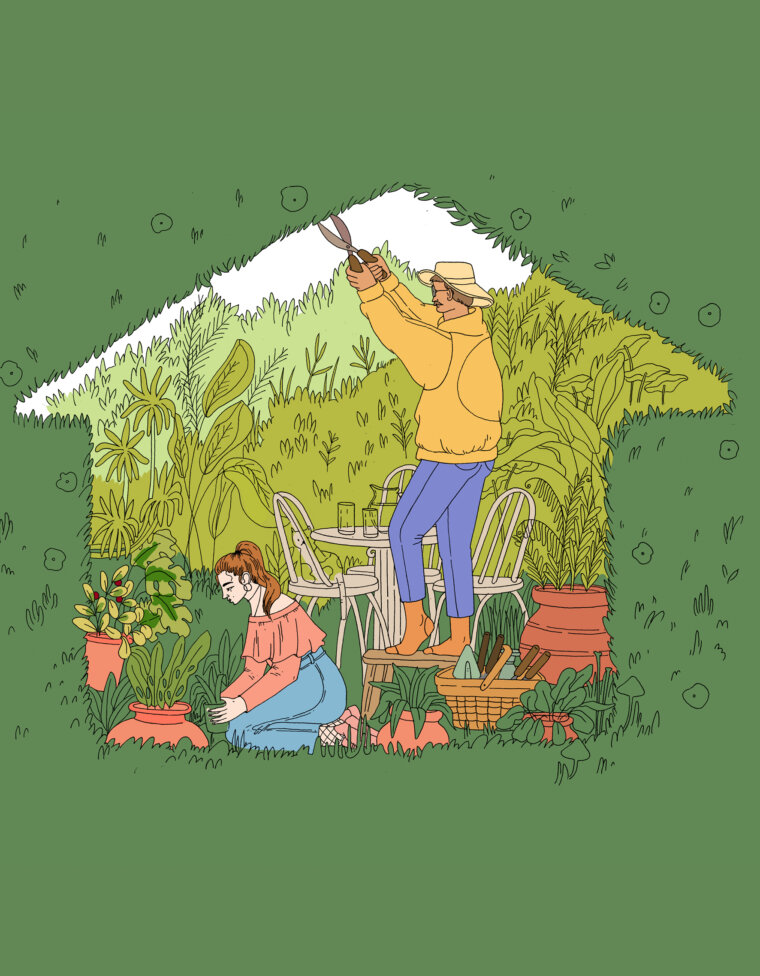
“Building a home is one of the most important, difficult, but also satisfying things in this world. It’s like planting and maintaining a garden – it takes time, effort and love, but at one point you are surrounded by abundant beauty and comfort.”
Аrtist: Borislava Karadzhova
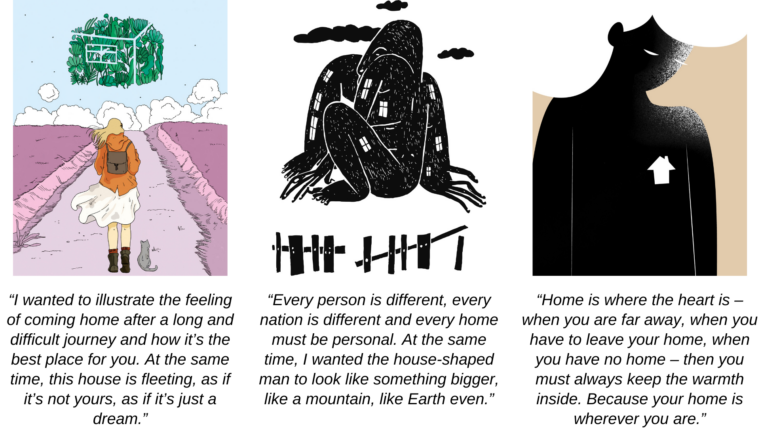
Аrtist: Borislava Karadzhova Artist: Albena Tsoneva Artist: Albena Tsoneva
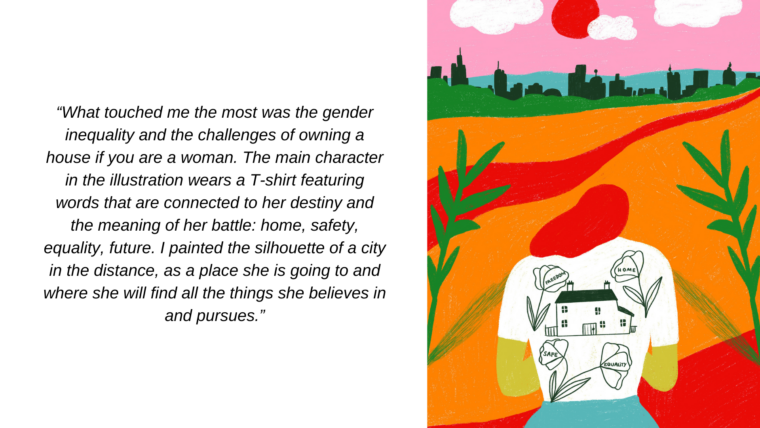 Artist: Desi Baeva
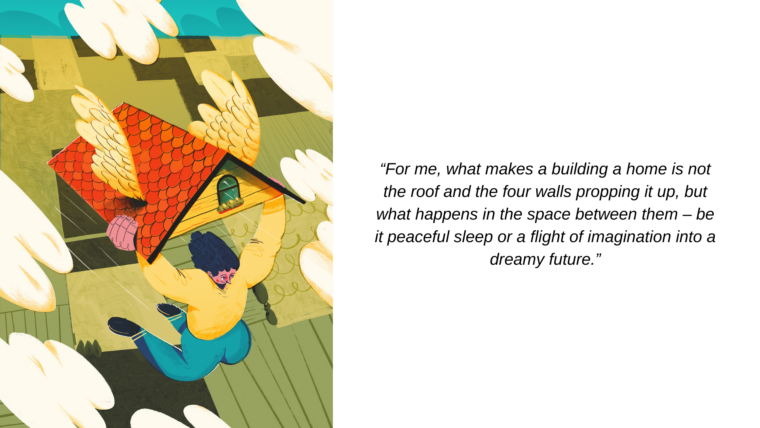 Аrtist: Teodor Georgiev
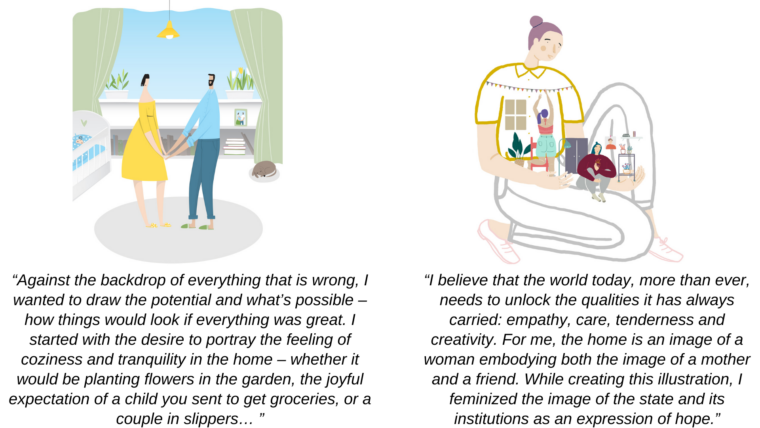
Artist: Elitsa Sarbinova Artist: Daniela Yankova
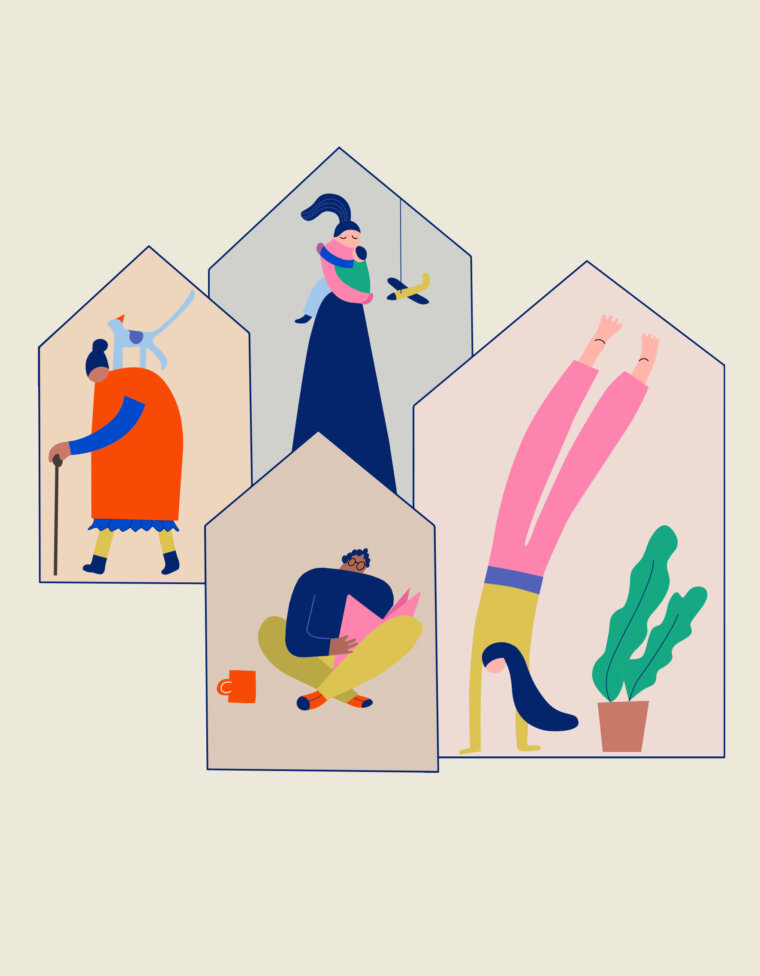 “I was inspired by the desire of the people working on the project to create an illustration not focused solely on the problem – people living in extreme deprivation, in somber home lookalikes, in fear and hopelessness. And instead to be cheerful, like the smile that each of us can have… To imagine these people where they have the human right to be – in the protected privacy of their own home.”
Artist: Denitsa Boyadzhieva
 Аrtist: Borislava Karadzhova
Artist: Sevda Semer
 Аrtist: Rozalina Burkova
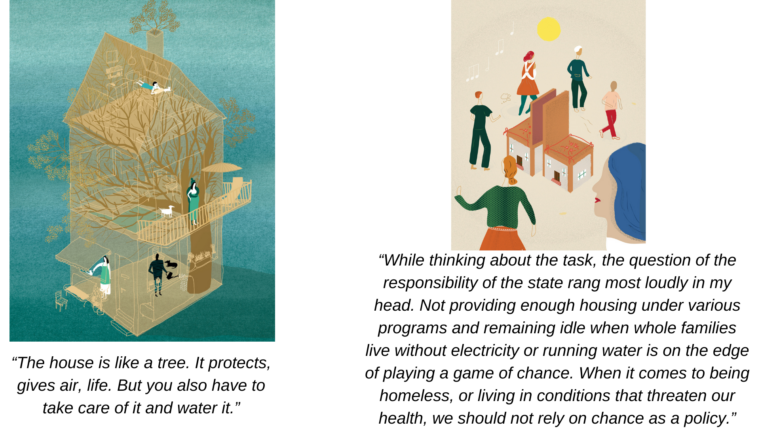
Artist: Mila Lozanova Artist: Sevda Semer
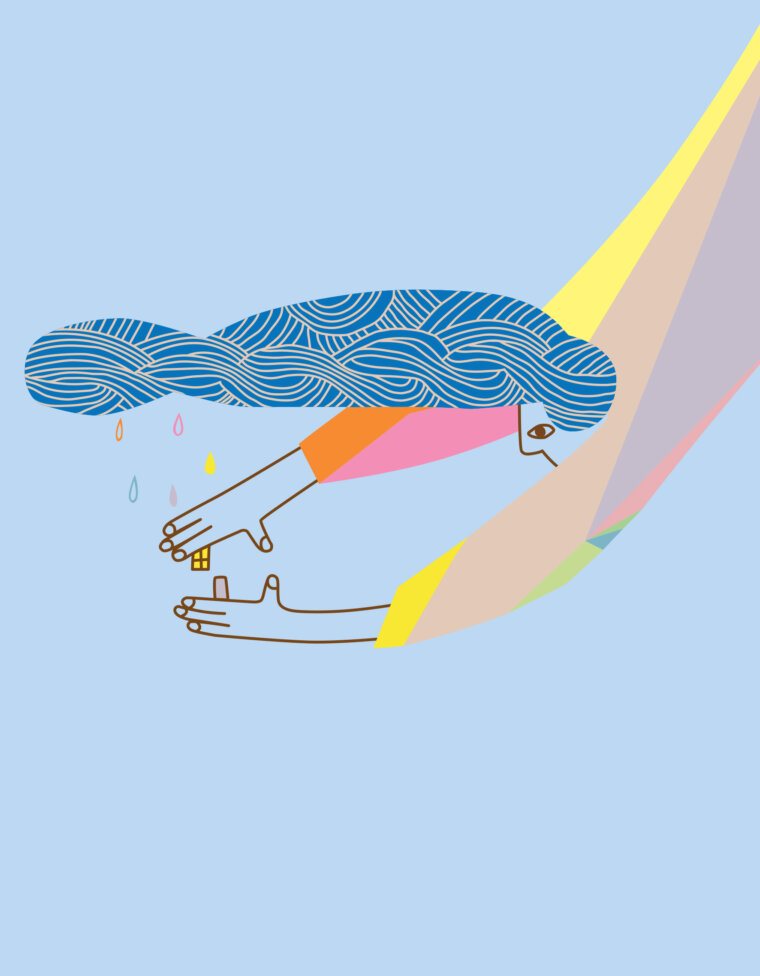
“I illustrated the earth, whose clouds and rain we all share. Merged her image with the state that has closed these lands within borders; the political system that should protect the homeless among us, providing them with cozy housing and hope for development.”
Artist: Denitsa Boyadzhieva
Portraits of Hope is a creative and effective way to engage communities in the conversation on safe housing.
To find out more about our work in Bulgaria visit Housing Poverty in Bulgaria: Roma Slums & Unsafe Homes (habitatforhumanity.org.uk)
Background
Step inside the virtual gallery where you will experience the “A decent home for everyone” exhibition.
This exhibition of artworks were created by 20 artists in Bulgaria as part of Habitat for Humanity Bulgaria’s campaign for improving access to land and shelter.
Empowering women by sharing their stories
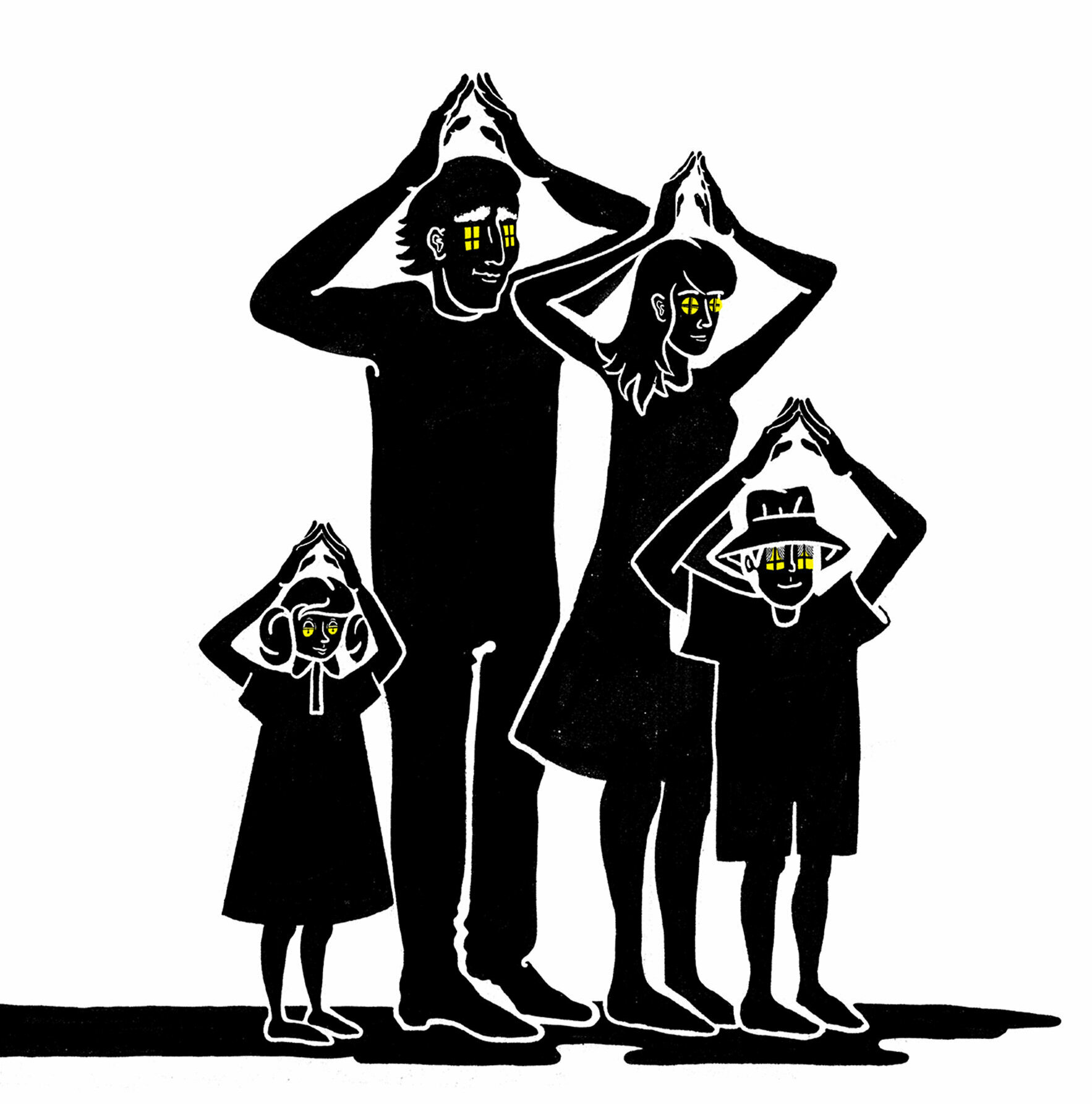
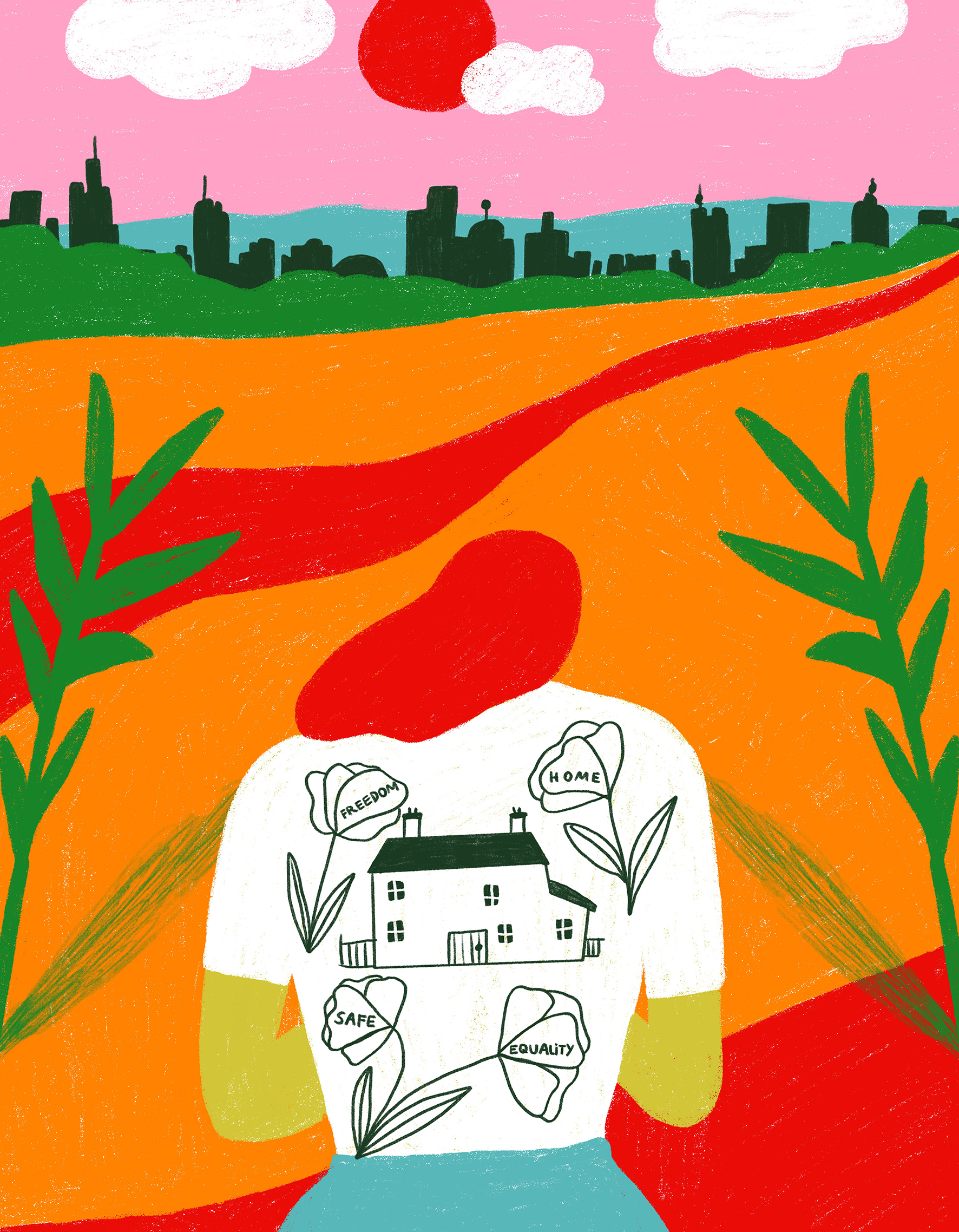
Image 1: Created by Albena Tsoneva
Image 2: Created by Ilian Iliev
Image 3: Created by Desi Baeva
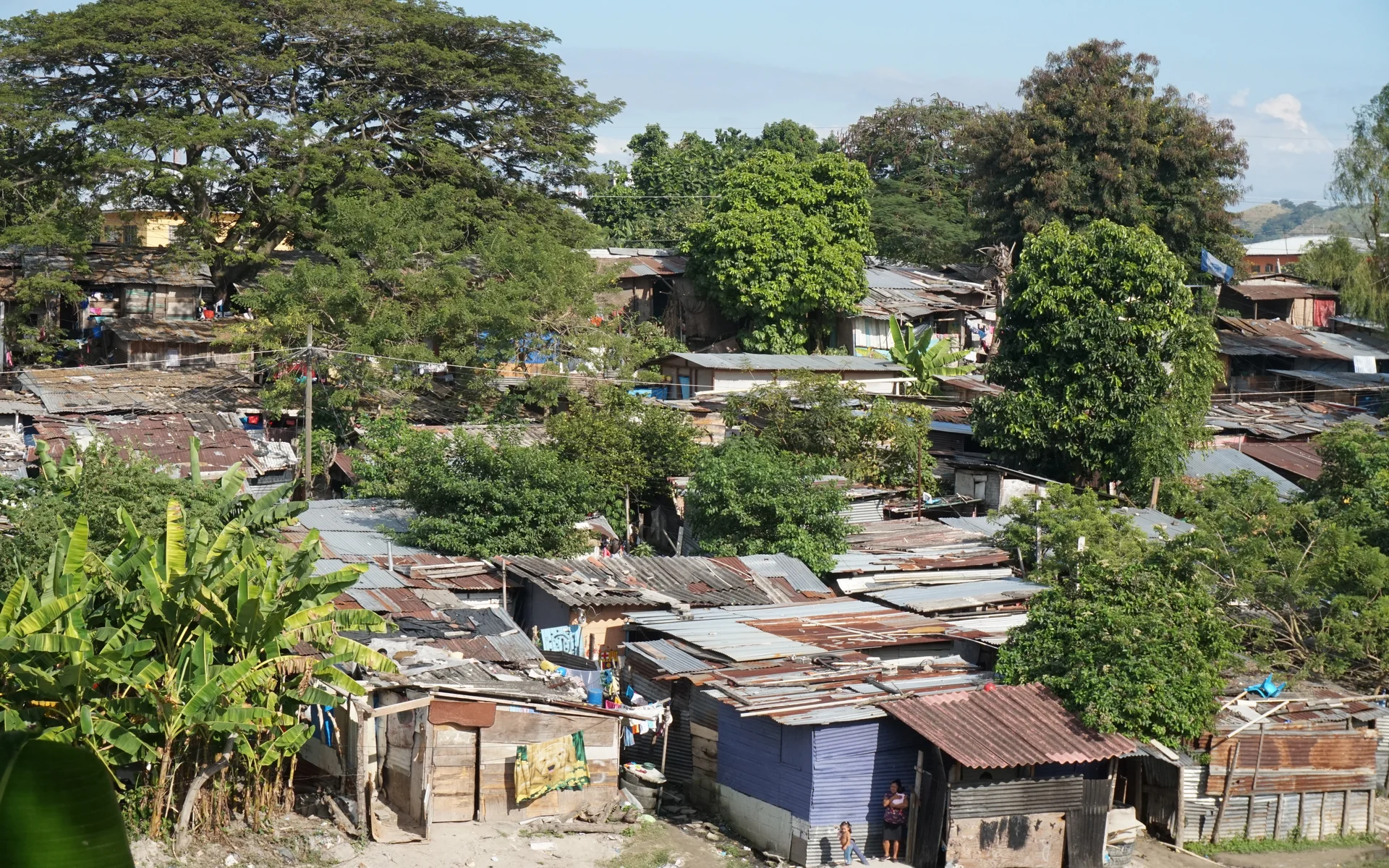
Cities are growing at an unprecedented rate and are failing in many countries to respond to the need for safe and decent housing. As a result of a lack of housing, many people are forced from their homes to find work. By 2030, recent data suggests that 3 out of every 5 people in the world are expected to live in cities. Further to this, the number of people living in slums and informal settlements is expected to double- reaching 2 billion.
The Syrian Refugee Crisis: what's happening now?
Image 4: Created by Borislava Karadzhova
Image 5: Created by Albena Tsoneva
Image 6: Created by Daniela Yankova
Image 7: Created by Sevda Semer
Further Works
In her own words: Sahab
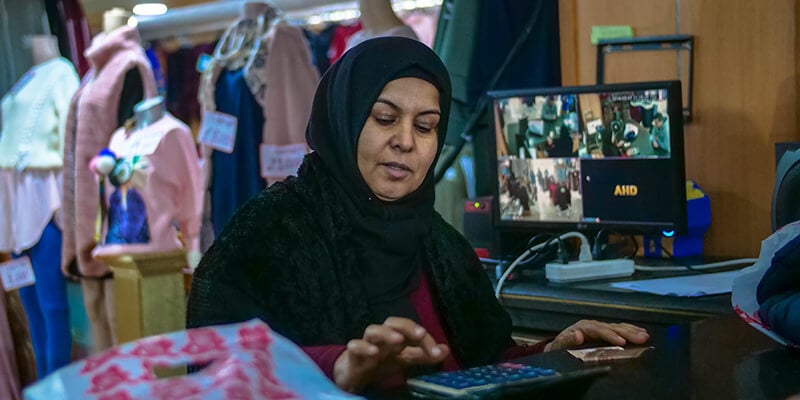
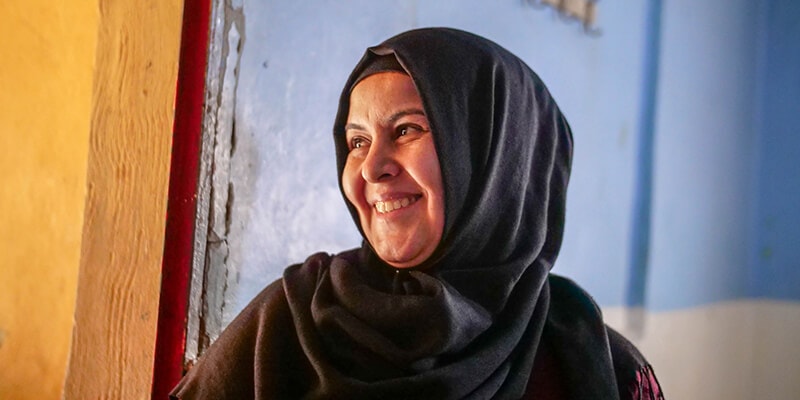
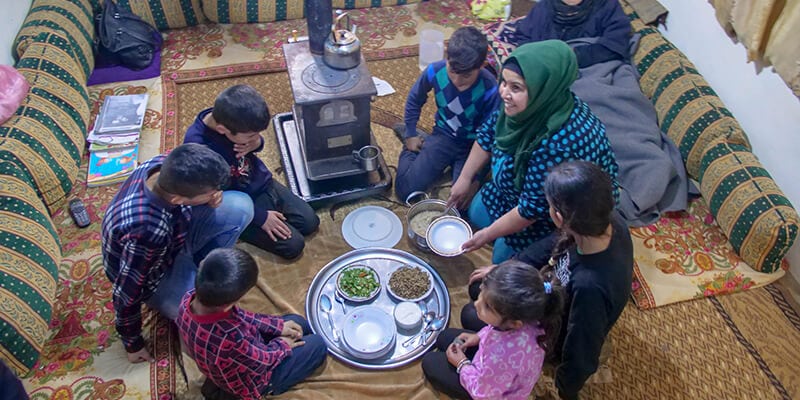
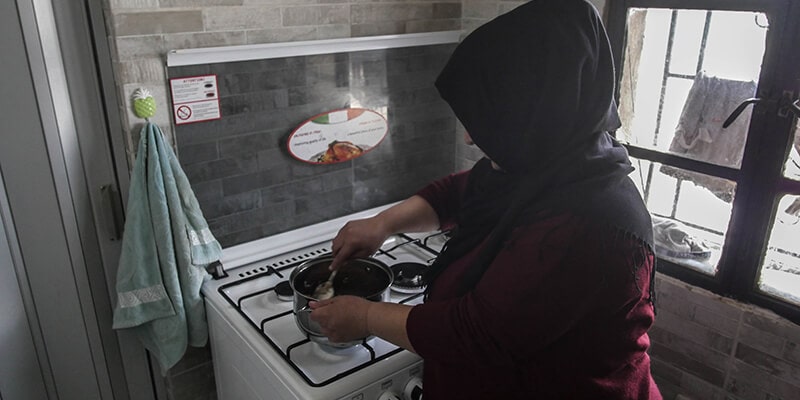
“My mother lives with me and my 6 children, so there are 8 of us in one house with 3 rooms. I don’t know where my husband is. I don’t know if he is even alive. A few years ago he went back to Syria to check on our house and crops, he never came back.”
Life as a single mother
“It’s hard raising 6 children by myself in this environment. They need schooling, food, clothes, my mother needs medication, so I have to cope with all of this. Thank god I was able to find a job so that I can pay for the electricity, water and medication for the kids, and whatever’s left we use to buy food and kerosene for the fire.”
We worked with Sahab to build the most important parts of a home a large family should have: a kitchen and bathroom.
“Before the renovations we had to go to friends or families houses to use the bathroom and kitchen. We had no kitchen and the bathroom was outside. Spring, summer, winter, we had to go outside even when it was below freezing. Winter is very cold, we need 1000 litres of kerosene to keep the heater going.”
A real life Superwoman
To her local community, Sahab is known as Superwoman.
“I don’t know why they call me that. But it might be because I’m not lazy, I work hard. I never want my children to beg for money. My children have to learn that they have to work hard.”
In her own words: Rasha
All teenagers need privacy, especially young women like Rasha. In Lebanon’s refugee camps, girls and women are often forced to walk outside to go to the toilet or sleep in common areas with no doors or locks for privacy. By removing the barriers that women and girls face day-to-day we can help them build a better future.
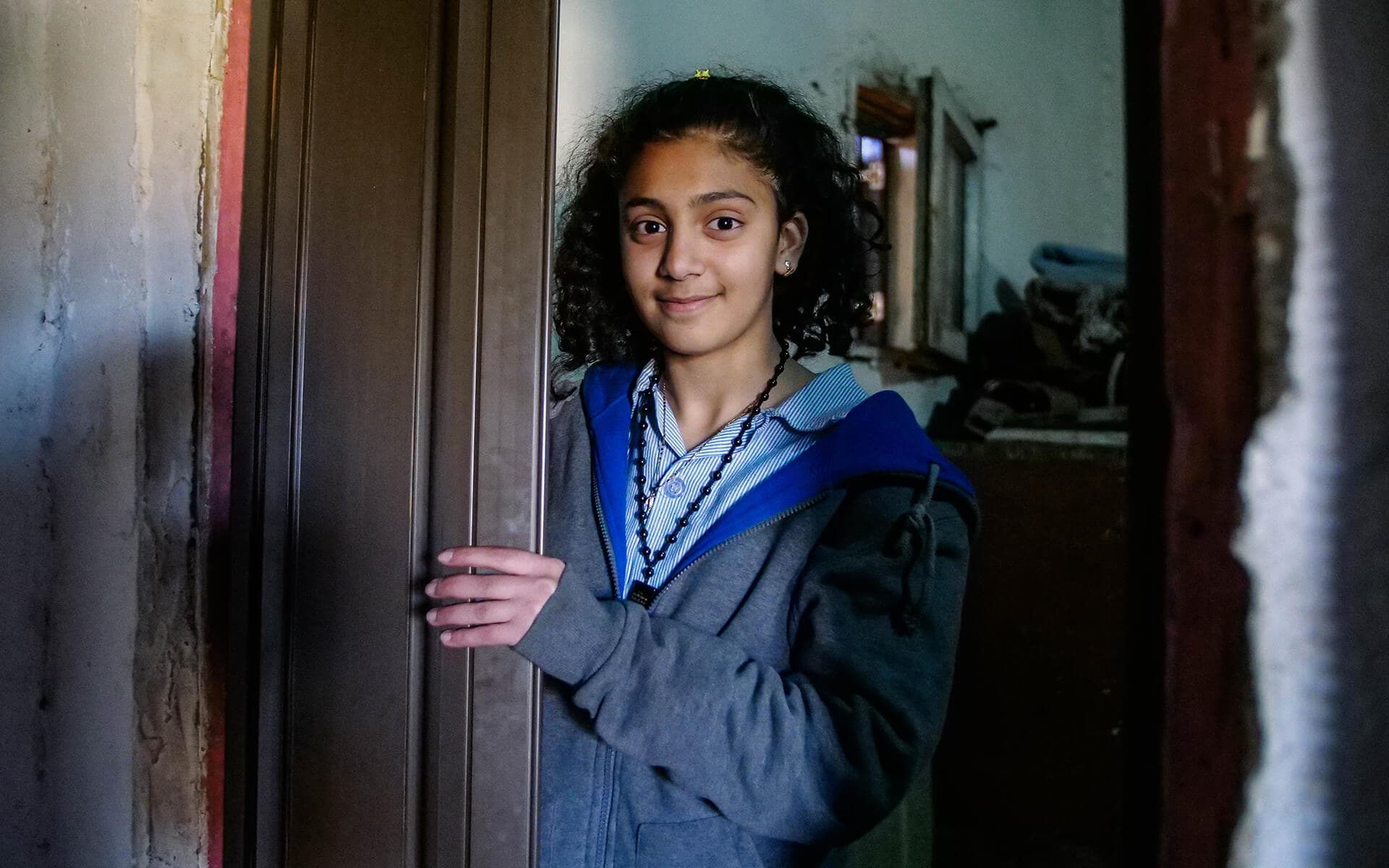
“I’m so happy, now I have a bedroom door so I can lock my little sister out!”
In her own words: Inaam
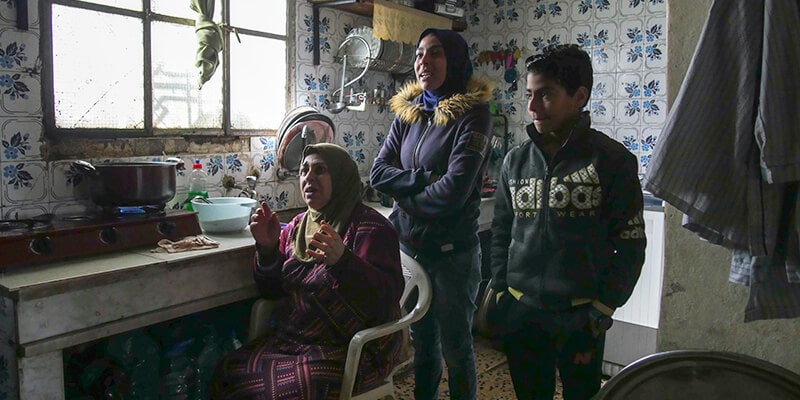
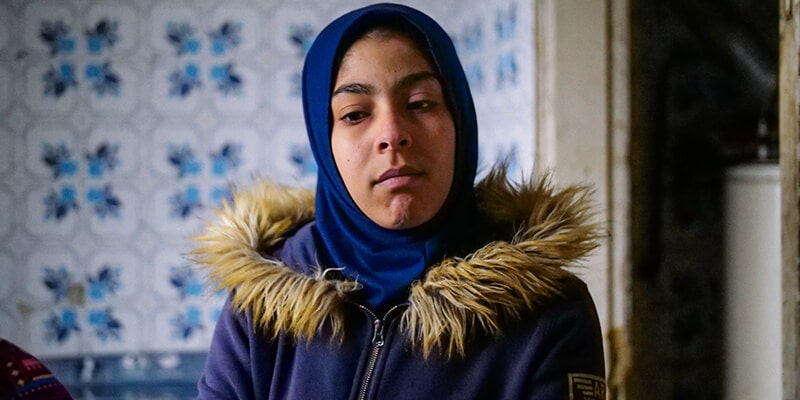
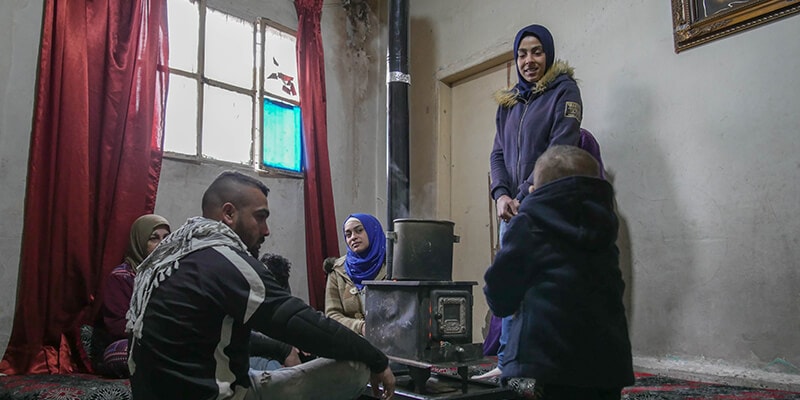
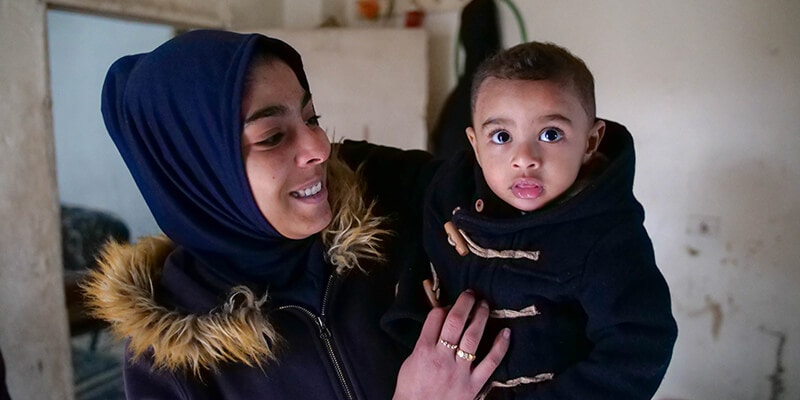
Inaam’s family fled Syria in 2011. Her father died in 2018.
“I remember escaping Syria. There was shelling on all sides of our house, but it was as if we were divinely protected. On the day we left it was cold and raining. We said goodbye to my father as he said he would follow us later. When we first moved to Lebanon, we lived in a tent. Then we found this small house to rent. When we first arrived it was filthy, full of cockroaches and scorpions. We never felt safe, we were broken into a couple of times.”
An uncertain future
“All I want is for my mother to be ok. I must support my family, so if that means standing in front of the mosque and begging I will do it, if that means giving my blood, I will do that…
I wish I could have wings, I would put my mother on one wing and my brother and family on the other and fly them back home, but there’s nothing for me here.”
Inaam’s story will stay with me forever. At 23 years old, we’re the same age. We both have our whole lives ahead of us and yet Inaam feels hers is already over. It was devastating to hear.
The possibility of a new start in life
As part of our Middle-East programme, we will work with Inaam’s family to refurbish their home. We’ll replace the windows and doors, repair the bathroom, and fit a hot water boiler.
After seeing the transformational impact of completed homes in Lebanon and how much they had allowed refugee women to change their lives, I can only hope that Inaam’s life and outlook for the future will change too.
In her own words: Sana
“I’ve never known what prosperity looks like.”
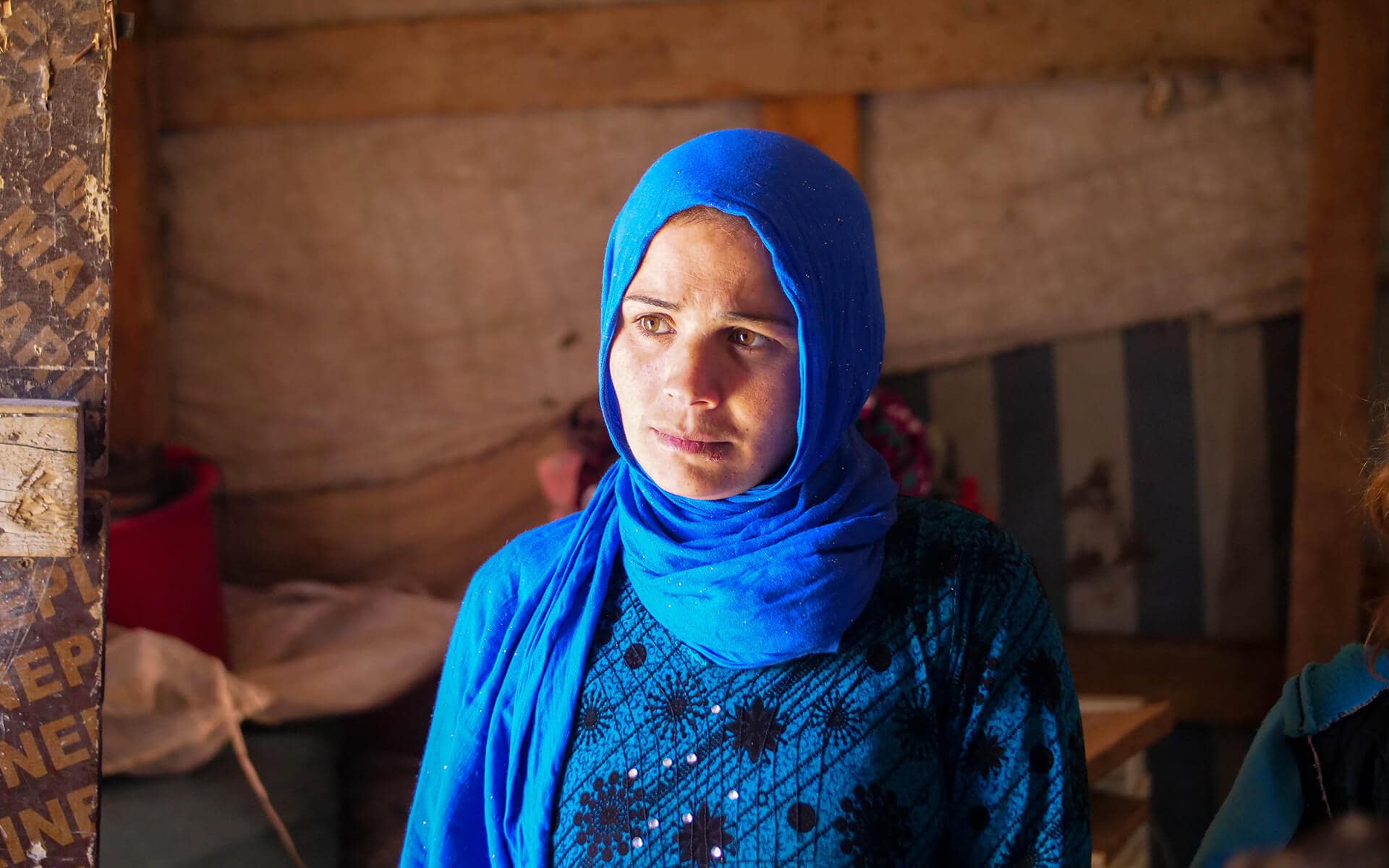
Women need access to water to provide for their families
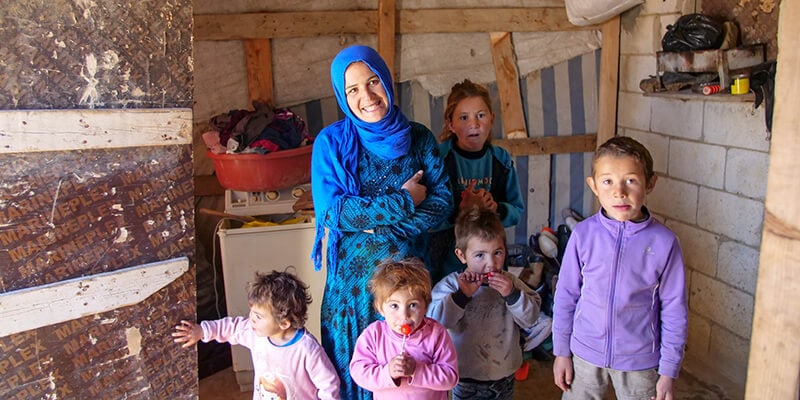
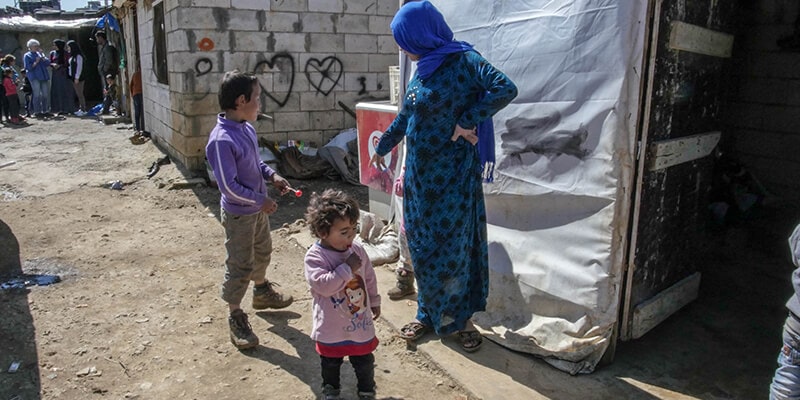
A mother of 5, Sana spent years washing her children in buckets of cold water as there were no sanitation facilities in the temporary refugee settlement where she was living. Now her family, along with a few others, rent land and more permanent structures off a local landowner.
A new bathroom and hot water
“I’m so much happier. It’s a huge improvement, I can bathe the children, I can wash up. Before we installed sanitation facilities you had to heat the water in a bucket, carry it around, sometimes it would be weeks before the children could bath again because it would be too cold…
I can’t compare the situation I’m living in now to before. We used to live in a tent, so having solid walls and running water is completely life-changing.”
In her own words: Heidi
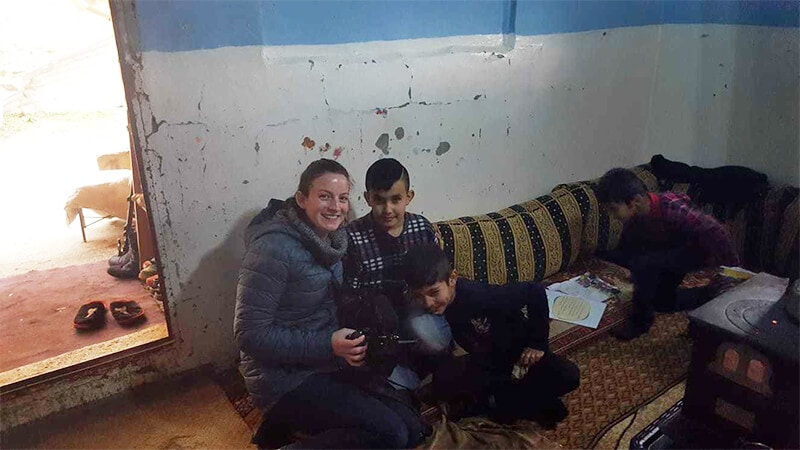
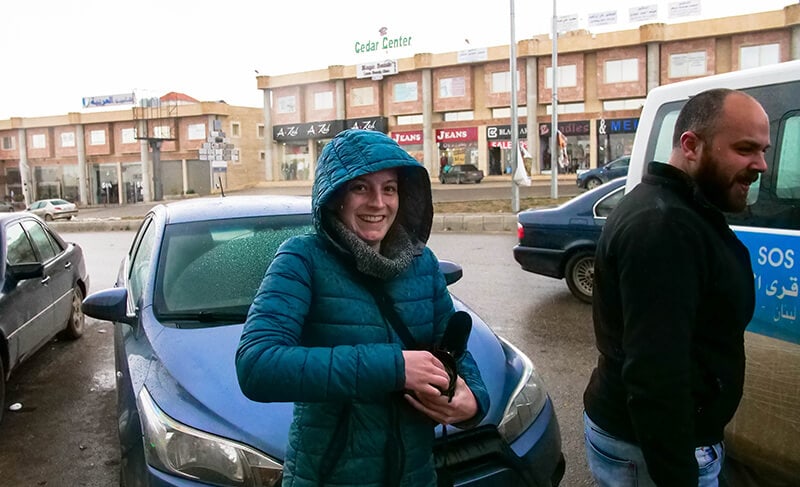
Most of us are lucky. We don’t know what war is like, what having to flee our country is like. We only see what’s presented to us in the media, through a screen showing us events happening thousands of miles away.
This week I came close to understanding what it is like. I felt the pain, hardship and courage of these families, especially the women who could have been me, my mum, or my grandma.
What I noticed throughout the week was that the women we spoke to wanted to share their stories. They weren’t scared, it was painful for them, but cathartic. Gradually as they spoke they appeared more confident and empowered, and I hope in sharing their stories now they will feel that even more.
Women and the Syrian refugee crisis: what does the future hold?
Women and the Syrian refugee crisis: what does the future hold?
In refugee camps around the world, acts of violence, trauma, and poverty unfairly fall on women. Whilst many organisations focus on short-term relief, the emphasis of our programmes is on long-term support by responding to shelter need.
Despite the improved situation in Syria, most women believe they will never be able to go home. This is why ensuring they have a decent place to live is crucial to improving their lives in Lebanon.
Giving a voice to the most vulnerable
If you would like to support our Middle-East Programme, you can do so by
- Signing up to our newsletter to keep up-to-date with stories from the field
This blog was produced as part of the Build Solid Ground project, which is aimed at raising awareness around the Sustainable Development Goals including number 5: Gender Equality and 11: Sustainable Cities.